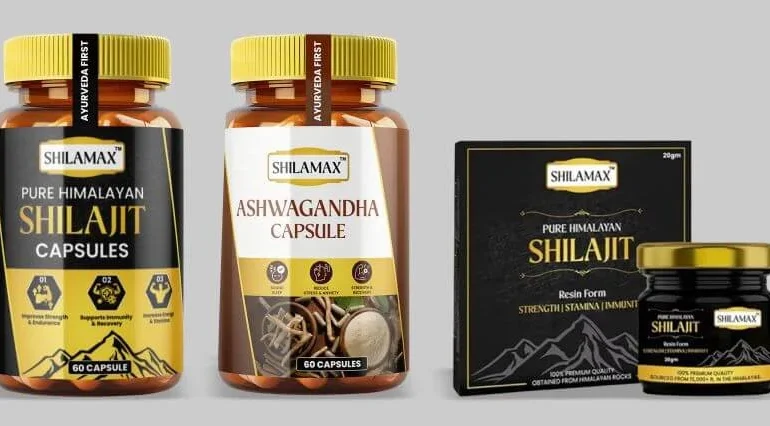
Ayurvedic wellness is becoming the preferred choice for individuals seeking natural, holistic solutions designed to support long-term health. In today’s fast-paced world, people are gradually moving away from chemical-based products and turning toward gentle, plant-powered alternatives that strengthen immunity, reduce stress, and restore internal balance. Ayurveda relies on time-tested herbs and botanicals that work in harmony with the body’s natural healing processes—delivering steady, sustainable results rather than temporary relief. With preventive healthcare on the rise, Ayurvedic products are helping people maintain consistent energy levels, mental clarity, emotional stability, and overall vitality. As awareness around clean living and sustainability grows, consumers trust Ayurvedic supplements for their purity, safety, and eco-friendly nature. People increasingly prefer Ayurvedic supplements because they provide natural, safe, and comprehensive support rooted in centuries-old tradition. Unlike synthetic formulas that simply manage symptoms, Ayurvedic supplements work from within—enhancing immunity, digestion, sleep quality, and mental balance. Their herbal composition ensures better absorption and reduces the risk of side effects. As stress and lifestyle-related health concerns continue to rise, Ayurveda offers long-term benefits that align with the body’s innate healing ability. Amid widespread fatigue, stress, and lifestyle disorders, individuals are seeking solutions that genuinely nourish the body rather than just conceal problems. This is where Shilamax stands out. The brand addresses modern wellness needs through products enriched with potent herbs, minerals, and essential nutrients that enhance energy, improve vitality, and promote overall balance. By harmonizing ancient Ayurvedic wisdom with modern quality standards, Shilamax makes preventive and holistic wellness accessible to everyone. The brand’s research-backed portfolio includes Shilamax Shilajit Capsules, Moringa Powder, Ashwagandha Capsules, and its highly acclaimed Shilajit Resin. One of Shilamax’s signature offerings, the Shilamax Shilajit Resin, is crafted using the traditional Suryatapi method—an ancient Ayurvedic technique where herbs are slowly infused under natural sunlight for days or weeks. Instead of using direct fire (Agni), the formulation is gently processed with solar warmth (Surya), activating subtle energies and enhancing medicinal properties in a balanced, stable form. The product is also tested and approved in government-recognized laboratories to ensure superior quality and purity. Every Shilamax product undergoes rigorous R&D, stringent quality checks, and multiple purity tests before reaching customers. With this combination of scientific validation and Ayurvedic expertise, Shilamax is redefining everyday health management. These powerful formulations help individuals overcome chronic fatigue, low immunity, stress, anxiety, low stamina, digestive concerns, nutrient deficiencies, poor sleep, and slow metabolism—all increasingly common in today’s demanding lifestyles. By delivering clean, effective, and time-proven Ayurvedic solutions, Shilamax empowers people to reclaim their health naturally, sustainably, and confidently. Association with World Champion Nishad Kumar Shilamax proudly partners with World Champion Nishad Kumar as its official brand ambassador. As a top-performing athlete, Nishad prioritizes strength, stamina, recovery, and overall wellness. He openly shares that Shilamax products have become a trusted part of his daily routine—helping him stay energetic, maintain endurance, and perform at his best throughout intense training. He has noted remarkable improvements in vitality and balance, further solidifying his trust in Shilamax’s purity, scientific foundation, and dedication to natural health. Closing Statement At a time when modern lifestyles demand greater energy, focus, and resilience, Shilamax stands at the forefront of natural wellness—offering Ayurvedic products supported by scientific testing and trusted by world-class athletes like Nishad Kumar. Blending purity, potency, and performance-driven formulations, Shilamax inspires individuals to take charge of their health naturally and sustainably. With every capsule, powder, or resin, the brand reinforces its mission: to help people live stronger, healthier, and more balanced lives through the power of Ayurveda. Disclaimer This article is an original piece created for public relations and informational purposes. It may be shared across various digital platforms with the full consent of the author or publisher. All images, logos, and referenced names belong to their respective owners and are used solely for illustrative or informational purposes. Unauthorized reproduction, distribution, or modification of this article without prior written permission is strictly prohibited. Any resemblance to other content is coincidental or falls under fair use with appropriate attribution.
Read More