

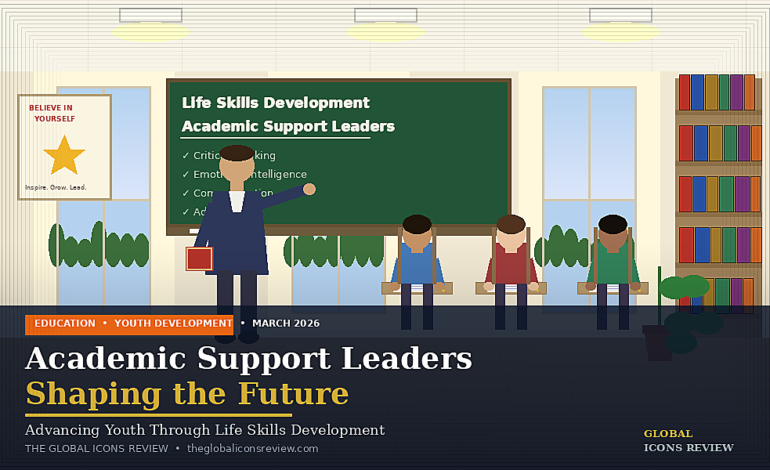
Academic Support Leaders Shaping the Future
Empowering Youth Through Life Skills Development In an increasingly complex and interconnected world, young people face challenges that extend far beyond the classroom. Academic performance alone is no longer a reliable indicator of future success. While traditional education equips students with knowledge, the ability to apply that knowledge effectively in real-life situations depends on something equally important—life skills. Life skills development has become a cornerstone of modern youth education. These skills help young individuals build emotional resilience, strengthen communication, enhance problem-solving abilities, and adapt to rapidly changing environments. At the forefront of this transformation are academic support leaders—educators, mentors, and counselors dedicated to preparing young minds not only for exams, but for life. The Changing Landscape of Youth Development For decades, education systems primarily focused on cognitive subjects such as mathematics, science, and language. While these disciplines remain essential, the definition of being “future-ready” has evolved dramatically in the 21st century. Employers and organizations today increasingly value individuals who demonstrate collaboration, adaptability, emotional intelligence, and independent thinking. Meanwhile, rapid technological advancement, economic uncertainty, and social shifts continue to reshape global opportunities and challenges. These realities highlight the importance of holistic education models that prepare students beyond academic metrics. Life skills development bridges the gap between theoretical learning and real-world preparedness. By nurturing critical thinking, emotional regulation, digital literacy, and informed decision-making, students become better equipped to navigate both professional and personal environments. These abilities are no longer supplementary to education—they are fundamental to long-term success. Who Are Academic Support Leaders? Academic support leaders play a vital role in shaping well-rounded learners. Unlike traditional classroom educators who primarily focus on subject knowledge, these professionals take a broader and more personalized approach to student development. Academic support leaders include: Their work involves guiding students through both academic and personal growth journeys. They help students set meaningful goals, reflect on their progress, and develop strategies to overcome obstacles. Through personalized learning plans and mentorship programs, these leaders ensure that each student receives the support needed to unlock their potential. The Power of Life Skills in Personal Development Life skills refer to a set of psychosocial competencies that enable individuals to manage everyday challenges and make responsible decisions. Key life skills include: Research consistently shows that young individuals equipped with strong life skills are more likely to pursue higher education, secure meaningful employment, and actively participate in their communities. Moreover, these skills strengthen resilience, reduce risky behavior, and support mental well-being—factors that are increasingly important in today’s fast-paced and demanding world. Academic Support Leaders as Catalysts for Change Academic support leaders play an essential role in integrating life skills into educational environments. Rather than treating life skills as separate lessons, they embed them directly into everyday learning experiences. For example: These leaders also recognize that every student learns differently. Through mentorship, adaptive feedback, and continuous guidance, they support students in developing skills at their own pace. Mentorship programs, in particular, provide valuable guidance during critical phases of personal development. They help students build confidence, navigate setbacks, and develop a positive sense of self-worth. Equally important is the creation of inclusive and supportive learning environments where students feel respected, valued, and encouraged to express themselves openly. Challenges and Opportunities Ahead Despite the growing recognition of life skills education, implementation remains inconsistent across many schools and communities. Several challenges continue to limit widespread adoption, including: Addressing these challenges requires collaboration between governments, educational institutions, families, and communities. Holistic education must become a shared priority. Academic support leaders are already paving the way by advocating for learning models that combine intellectual growth with emotional and social development. Their work ensures that young people are not only prepared to pass examinations but also to thrive in real-world situations. Final Thoughts The future demands more than academic excellence. It requires individuals who can think critically, communicate effectively, adapt to change, and collaborate with empathy. By prioritizing life skills development and empowering academic support leaders, education systems can nurture not only successful students but also resilient, responsible, and innovative citizens. Through their dedication to holistic youth development, academic support leaders are shaping the next generation of thinkers, leaders, and changemakers who will define the future of our world.
Read More
Employee Skill Development in the Age of AI
Preparing the Workforce for the Future The modern workplace is evolving at an unprecedented pace. Rapid technological advancement—particularly the rise of artificial intelligence—is transforming how organizations operate, make decisions, and define productivity. As a result, the skills required to succeed in the workforce are changing faster than ever before. For organizations aiming to remain competitive, relying on traditional competencies is no longer enough. Companies must rethink how they develop and nurture talent to ensure their workforce is prepared for the future. Employee skill development has therefore become one of the most critical strategic priorities for forward-thinking organizations. The Growing Reality of the Skills Gap The global workforce is experiencing a significant shift in required capabilities. According to research from the World Economic Forum, nearly 39% of core job skills are expected to change by 2030 due to automation and artificial intelligence. This transformation is already underway across multiple industries, including finance, healthcare, logistics, and creative sectors. Unlike previous technological revolutions, the current wave of AI-driven innovation affects both manual and knowledge-based roles. Tasks such as analyzing legal documents, writing marketing content, optimizing supply chains, and even assisting medical diagnosis are increasingly supported or performed by AI systems. As a result, organizations must go beyond teaching purely technical abilities. Employees now need a broader skill set that includes: These capabilities will help employees complement AI rather than compete with it. Continuous Learning Is the New Standard Traditional training models—where employees attend a workshop or complete a course once and retain that knowledge indefinitely—are becoming obsolete. Leading organizations now focus on creating continuous learning ecosystems that enable employees to grow consistently throughout their careers. Modern approaches include: Technology itself is also becoming a powerful enabler of employee development. Learning platforms such as Coursera and LinkedIn Learning leverage machine learning to analyze employee skill gaps and recommend personalized learning paths. Instead of reacting after performance declines, these systems proactively guide employees toward relevant training resources, creating a continuous feedback and improvement cycle. Turning Skill Development into Organizational Culture Successful companies understand that employee skill development cannot simply be an individual responsibility. Telling workers to “upskill or risk falling behind” without support often leads to frustration rather than progress. Research consistently shows that learning accelerates when organizations create an environment that encourages curiosity, experimentation, and psychological safety. Companies such as Microsoft and Unilever have demonstrated how leadership commitment can transform learning into a core part of company culture. For example, Microsoft has implemented strong internal mobility programs and provides employees with dedicated learning time. Managers are also evaluated on how effectively they support the growth and career progression of their teams. When skill development becomes a shared responsibility between employees and leadership, organizations benefit from higher engagement, stronger retention, and greater innovation. Technology Tools Powering Workforce Development Today’s organizations increasingly rely on integrated learning platforms powered by artificial intelligence. Tools such as Coursera for Business, LinkedIn Learning, and Microsoft Viva Learning embed learning directly into everyday work environments, making skill development more accessible and practical. Additionally, AI-driven productivity tools are helping employees learn while they work. Examples include: These technologies reduce time spent on repetitive tasks while helping employees focus on higher-value work that requires creativity, judgment, and strategic thinking. However, even the most advanced tools can only succeed when supported by a strong organizational learning culture. The Human Advantage in the AI Era As artificial intelligence becomes more integrated into business operations, the organizations that succeed will not simply be those with the most powerful technology. The real advantage will belong to companies whose employees know how to work alongside AI effectively. Human capabilities—such as curiosity, ethical reasoning, creativity, and critical thinking—will remain essential in guiding technology toward meaningful outcomes. These qualities do not develop automatically. They must be cultivated intentionally through continuous employee skill development, leadership support, and a culture that values learning. Final Thoughts Artificial intelligence is reshaping the future of work, but it also presents a powerful opportunity for organizations to elevate the role of human talent. Companies that invest in developing adaptable, skilled, and forward-thinking employees will be best positioned to thrive in the coming decade. At The Global Icons Review, we believe that the most successful organizations will be those that empower their workforce to grow continuously, collaborate with technology, and lead innovation in an increasingly intelligent world.
Read More
Personal Branding Strategies for Founders & CEOs in the Modern Business Era
In today’s digital-first world, a company’s reputation is influenced not only by its products or services but also by the personal identity of its leadership. Founders and CEOs are increasingly becoming the face of their organizations, shaping public perception, investor confidence, and customer trust. A strong personal brand is no longer optional—it has become a powerful strategic asset that strengthens credibility, attracts opportunities, and builds long-term influence. Below are the key personal branding strategies that modern business leaders should focus on today. 1. Prioritize Authenticity Over Perfection Modern audiences connect with leaders who are genuine and transparent. Instead of presenting a flawless image, successful founders openly share their journeys, including the obstacles, failures, and lessons that shaped them. Authenticity builds relatability and trust. When leaders communicate real experiences and meaningful insights, they create deeper connections with their audience. What works today: Authenticity ultimately strengthens credibility and influence. 2. Establish Clear Leadership Positioning Strong personal brands are built on clarity and consistency. People should quickly understand what you represent as a leader. Ask yourself: Focusing on two or three core themes and reinforcing them consistently across platforms helps build a memorable and recognizable leadership identity. 3. Build Visibility on the Right Platforms Founders and CEOs do not need to be everywhere online, but they must be present where their audience and stakeholders are active. High-impact platforms include: Consistency in messaging is far more important than posting frequently. 4. Share Thought Leadership, Not Just Achievements Personal branding should focus on providing value rather than promoting personal success. Effective content often includes: When leaders educate, inspire, and guide others, their personal brand grows naturally. 5. Align Personal Identity With Company Vision The most powerful leadership brands are closely connected to the organizations they lead. This alignment can be demonstrated when: When personal branding and company branding move in the same direction, they reinforce trust among customers, investors, and employees. 6. Strengthen Authority Through Media Presence Strategic media coverage plays a significant role in enhancing a leader’s reputation. Being featured in respected business publications provides several advantages: A single impactful feature or interview can significantly elevate a leader’s professional perception. 7. Demonstrate Human-Centered Leadership Modern leadership is no longer defined only by financial success. Audiences expect leaders to demonstrate empathy, responsibility, and purpose. Leaders who connect most effectively today: Human-centered leadership has become a key competitive advantage. 8. Maintain a Strong Digital Presence In the digital age, your online presence forms the first impression when someone searches your name. A strong digital footprint should include: Your online presence should communicate a clear and compelling leadership story. 9. Communicate With Confidence and Purpose Influential leaders do not chase attention—they earn it through clarity and conviction. Strong communication includes: Confidence combined with authenticity creates powerful leadership influence. 10. Focus on Long-Term Influence Personal branding is not about short-term visibility or viral popularity. It is about building a reputation that grows over time. The most respected business leaders: A well-developed personal brand becomes stronger and more influential over time. Final Thoughts In the modern business environment, personal branding has become an essential leadership tool. For founders and CEOs, it shapes credibility, trust, opportunities, and long-term success. Leaders who focus on authenticity, thought leadership, strategic visibility, and purpose-driven communication do more than build reputations—they create lasting influence. At The Global Icons Review Magazine, we celebrate visionary leaders who understand that true success begins with identity, values, and a clear vision for the future.
Read More



Transform Your Creativity: How Image and Text-to-Video AI Tools Are Revolutionizing Content Creation
In today’s fast-paced digital landscape, visuals rule every platform. From Instagram Reels to YouTube Shorts, audiences prefer short, dynamic, and visually compelling content. But what if you could create these videos instantly—without editing skills or expensive software? With advanced AI video generation tools, that possibility is now a reality. AI Video Creation: A New Era for Creators and Brands Artificial Intelligence has transformed how marketers, creators, and businesses produce content. What once required cameras, scripts, and hours of editing can now be done in minutes using AI-based video generators. These tools analyze your input—whether it’s an image, a set of photos, or written text—and automatically generate high-quality videos that look professionally edited. The process is fast, efficient, and tailored to your creative goals. Bring Your Photos to Life with AI Image-to-Video Technology Imagine uploading a few images and instantly turning them into an eye-catching cinematic video. That’s the magic of AI image-to-video tools. These innovative platforms transform static photos into fluid, dynamic videos with smart animations and transitions. Perfect for photographers, influencers, marketers, and e-commerce sellers, image-to-video AI helps elevate visual storytelling like never before. Key features include: Whether you’re creating social media reels or product showcase clips, AI helps turn still visuals into something far more engaging and shareable. Transform Text into Videos with AI Text-to-Video Generators Another powerful innovation is the AI text-to-video generator, which turns written content—blog posts, captions, marketing text, or scripts—into complete videos with visuals, voiceover, and transitions. How it works: This is a game-changer for marketers, educators, and content creators who need to produce high-quality videos quickly and at scale. Why AI Video Tools Are Essential for SEO and Social Media AI video generators aren’t just convenient—they’re strategic. Videos increase user engagement, boost time-on-page, and help websites rank higher on Google. Using platforms like Vidnoz for image-to-video and text-to-video creation helps you: Conclusion: AI Is Redefining Digital Storytelling AI-powered video generation is transforming digital marketing and creative communication. Whether you’re animating images or converting text into dynamic clips, tools like those from Vidnoz make professional video creation effortless. If you’re ready to upgrade your content strategy, start experimenting with these AI tools today and see how easily you can turn your ideas into compelling, high-quality videos—within minutes.
Read More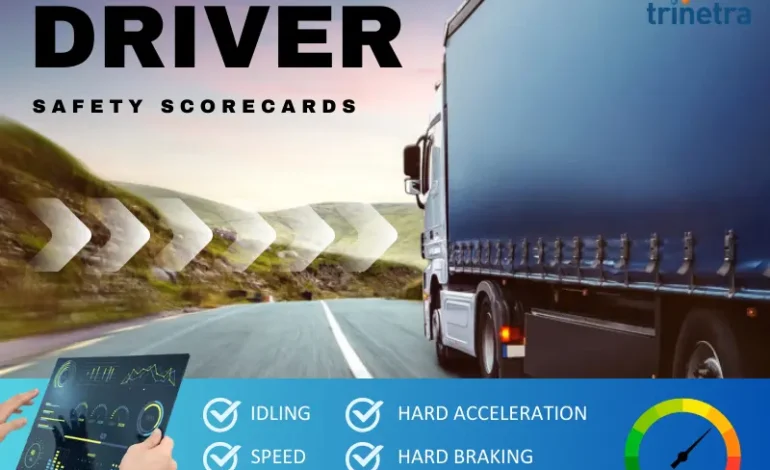
Safety Starts with Data: Safee’s Driver KPIs Saves Lives
When your fleet is responsible for transporting hazardous goods, safety isn’t optional — it’s non-negotiable. At Safee, we take fleet safety beyond basic tracking with an advanced Driver KPI system that delivers intelligent insights, proactive risk detection, and measurable safety improvements tailored to your operational environment. Why Driver KPIs Matter More Than Ever In high-risk transport operations, driver behavior is one of the biggest determinants of safety. Traditional reporting tools often overlook the nuances that matter most. Safee solves this with a dynamic performance engine built around real-time Key Performance Indicators (KPIs). From speeding and harsh braking to distraction alerts and route deviations, every factor contributes to a personalized Driver Safety Score that reflects your specific safety priorities. While this system is essential for hazardous fleets, it brings measurable value to operations across every industry — because safety and accountability apply everywhere. Unmatched Customization with Safee’s Driver KPI Report With Safee, you don’t just track performance — you define it. • Formula Builder Create fully customizable scoring formulas, weighting critical metrics such as overspeeding, fatigue alerts, harsh events, and video-recorded violations according to your operational standards. • Sub-Scores & Correlated Metrics Segment drivers by behaviors like route compliance, vehicle handling, or alert response. Combine these sub-scores into a master safety score for more accurate evaluations and targeted coaching. • Color-Coded Thresholds Red, amber, and green indicators help managers quickly pinpoint top performers, identify emerging risks, and take corrective action before small issues escalate. • Video Service Integration Integrate video-based violations — including fatigue warnings, distraction incidents, and prolonged driving — to strengthen accuracy beyond what GPS data alone can provide. • Field-Specific Metrics Whether your fleet transports oil, chemicals, or industrial materials, tailor KPIs to reflect the safety indicators most relevant to your sector. Safee also tracks events such as restricted-area entries, excessive driving hours, ETA delays, and other compliance-sensitive violations, ensuring you stay aligned with regulatory requirements. This level of customization is unmatched — empowering fleets to prevent incidents rather than respond to them. Transparency, Privacy & Driver Empowerment Through the Safee Driver App, drivers can: This transparency promotes accountability and encourages continuous improvement. At the same time, all KPI data is fully protected and accessible only to authorized administrators, ensuring strict data privacy and fostering trust. Real, Measurable Safety Outcomes Hazardous transport fleets using Safee are already experiencing transformative results: Real-time visual reports empower managers to make informed decisions — from route optimization to targeted safety training. From Reactive to Proactive: The Future of Fleet Safety Safee’s Driver KPI System represents a shift from reactive reporting to predictive fleet management. Instead of simply recording violations, our platform identifies risks early, giving you the power to intervene before incidents occur. In a sector where every trip matters and every second carries risk, Safee delivers complete control through flexible, visual, and actionable driver performance tracking.
Read More
The Success of the iGaming Industry in India
The rapid rise of the iGaming industry has taken the global market by surprise in recent years. Not only are online betting and casino platforms generating record-breaking revenue, but they are also projected to dominate the entire gambling industry by 2025. In 2019 and 2020 alone, global iGaming revenue surpassed $60 billion — nearly one-fifth of the total earnings from all gambling sectors. This figure is expected to exceed $100 billion by 2025, and India is poised to play a major role in that growth. The country has become one of the most attractive and rapidly expanding markets for online betting and gaming platforms. In this article, we explore how Indian players access such sites, what the law actually says, and why this industry continues to grow despite regulatory gaps. How Do Indian Players Access Online Sportsbooks and Casinos? The primary law governing gambling in India is the Public Gambling Act of 1867. While this law prohibits operating gambling facilities within the country, it does not apply to offshore companies. As a result, foreign online sportsbooks and casinos can offer their services to Indian users without legal restrictions. Online sports betting is extremely popular in India, with millions of players placing wagers on cricket, football, kabaddi, and other sports daily. Since no Indian authority issues licenses for online gambling, players must rely on international regulatory bodies. Before registering on a platform, users should verify: If a site does not show a license, it is likely unsafe and should be avoided. Reputable betting and casino platforms catering to Indian players are commonly licensed by: These regulatory bodies ensure security, fairness, and compliance. In some regions, players may need a VPN to access gambling websites. However, since online gambling is not actively regulated or policed in India, users face no penalties for accessing or playing on offshore betting or casino platforms. Understanding the Public Gambling Act of 1867 The Public Gambling Act of 1867 is the primary legislation governing gambling in India. According to this law, most forms of gambling are illegal. Only three states — Goa, Sikkim, and Daman — have legalized land-based casinos. Among these, Sikkim is the only state with limited regulation for online gambling. Despite this, millions of Indians participate in online gambling daily. Why? Because the law is outdated and was written long before the concept of online gaming existed. It contains no specific provisions addressing digital or internet-based gambling activities. This creates a legal grey area: Due to the lack of clear regulation, authorities rarely pursue players or take action against offshore sites. The online gambling sector has grown so rapidly in India that the government is increasingly under pressure to modernize legislation, legalize the market, and introduce structured regulation.
Read More
10 Top Uses of FIBC Bags in Bulk Packaging
In the world of bulk packaging, efficiency, safety, and cost-effectiveness are essential. Flexible Intermediate Bulk Containers (FIBCs)—often known as bulk bags or big bags—have transformed how industries store, handle, and transport large quantities of materials. Designed to carry dry, granular, and powdered products, these highly versatile bags have become a top choice for improving logistics and optimizing storage across multiple sectors. If you’re exploring bulk packaging options, understanding the most common uses of FIBC bags will help you choose solutions that fit your operational needs. Whether you’re in agriculture, construction, chemicals, food processing, or any other high-volume industry, FIBC bags offer unmatched advantages in material handling. Below are the top 10 industrial applications of FIBC bags. 1. Agriculture and Farming FIBC bags are extensively used in the agricultural sector for storing and transporting seeds, grains, fertilizers, and animal feed. Their durability and resistance to moisture keep agricultural products safe during handling and long-term storage. Farmers and distributors rely on bulk bags for efficient loading and unloading using forklifts and cranes. 2. Construction and Building Materials From sand and gravel to cement and stone, the construction industry depends on heavy-duty packaging. FIBC bags provide the strength needed to contain dense materials without tearing. Their ability to withstand rough handling and support heavy loads makes them indispensable on construction sites. They also help maximize warehouse and on-site storage efficiency. 3. Chemical Industry Chemical manufacturers require safe, compliant, and customizable packaging. FIBC bags offer excellent solutions for packaging powdered and granular chemicals such as fertilizers, pigments, and resins. With options for anti-static liners, moisture-resistant coatings, and specialized barriers, these bags protect products from contamination and ensure regulatory compliance. 4. Food Processing and Ingredients Food-grade FIBC bags meet stringent safety standards, making them ideal for handling bulk food ingredients such as sugar, flour, salt, starch, and grains. Designed to preserve hygiene and prevent contamination, these bags help manufacturers transport and store large volumes of food materials efficiently and safely. 5. Mining and Minerals Mining operations often involve transporting heavy, abrasive, and irregular materials. FIBC bags are commonly used for packaging ores, minerals, and coal due to their exceptional strength. Their reusability also supports sustainability goals within the mining sector. 6. Pharmaceutical Industry The pharmaceutical industry requires packaging that maintains purity and protects raw materials from contamination. FIBC bags customized for pharmaceutical use often include liners and high-barrier materials to prevent moisture and preserve product quality. They help manufacturers meet strict safety and compliance standards. 7. Waste Management and Recycling For waste collection, industrial scrap, and recyclables, FIBC bags provide a highly efficient containment solution. Their large capacity and sturdy design simplify waste handling and transportation. In recycling operations, these bags are used to sort and transfer materials such as plastics, metal scrap, and paper, supporting sustainability initiatives. 8. Pet Food and Animal Nutrition Pet food producers use FIBC bags to transport large quantities of dry food, kibble, and ingredients. The bags ensure freshness, cleanliness, and protection from external contaminants. Their strength and ease of handling streamline distribution from manufacturing plants to retailers. 9. Industrial Raw Materials Manufacturers in various industries use FIBC bags to package resins, powders, polymers, and other raw materials essential to production processes. Reliable containment, cost-effectiveness, and improved supply chain efficiency make FIBC bags a preferred choice for handling high-volume industrial goods. 10. Emergency Relief and Humanitarian Aid In disaster relief operations, transporting food, medical supplies, and essential materials quickly is crucial. FIBC bags are widely used in humanitarian logistics due to their strength, portability, and ability to hold large quantities safely. Their durability ensures that sensitive supplies reach affected areas intact. Why Choose FIBC Bags? FIBC bags offer multiple benefits that make them the leading bulk packaging choice: How to Select the Right FIBC Bag When choosing an FIBC bag, consider: Conclusion FIBC bags have redefined bulk packaging with their practicality, strength, and cost-effectiveness. From agriculture and construction to pharmaceuticals and emergency aid, their wide range of applications highlights their versatility and reliability. By understanding the top uses and benefits of FIBC bags, businesses can improve logistics, protect product quality, and streamline operations. For the best results, partnering with a trusted FIBC bags manufacturer ensures you receive high-quality, compliant, and customized solutions tailored to your industry.
Read More
Shop the Best Office Tables in Manila – Perfect Blend of Style
A workplace table is more than just a piece of furniture—it’s a core element that shapes comfort, productivity, and the overall aesthetic of any work environment. With the fast-paced growth of businesses in the Philippines, many companies are now investing in high-quality office tables to build efficient, professional, and visually appealing workspaces. The rising demand for stylish yet functional designs has transformed the market for office tables in the Philippines, offering options that meet both practical needs and modern taste. Blending Style with Functionality Today’s businesses recognize the importance of office tables that balance beauty and practicality. Modern collections feature sleek surfaces, ergonomic designs, and durable materials. From executive desks to multi-person workstations, companies can choose pieces that reflect their brand identity. The office furniture market in the Philippines provides a wide variety of styles—whether you prefer a minimalist contemporary look or a timeless, classic design. This diversity ensures that every business can find a table that fits their space and enhances workplace performance. Durable Materials for Long-Term Use A well-built office table is a long-term investment. High-quality wood, engineered boards, and laminate finishes are popular choices in the Philippines for their strength and refined appearance. Many office furniture suppliers in the Philippines also offer tables with scratch-resistant and water-resistant surfaces—ideal for busy and high-traffic workplaces. Durability is especially important for businesses that want furniture that lasts without the need for constant replacements. Ergonomic Designs for Comfort and Health Forward-thinking companies prioritize employee comfort. Ergonomically designed office tables help reduce strain, improve posture, and increase productivity. Adjustable-height desks are becoming more common in the office furniture Philippines market, allowing employees to switch between sitting and standing throughout the day. Spacious table designs also provide enough room for laptops, monitors, documents, and other essentials, helping maintain a clean and efficient workspace. Customizable Solutions for Every Workspace One of the biggest advantages of purchasing office tables in the Philippines is the availability of customization. Businesses can order tables in specific sizes, shapes, and finishes to perfectly match their office layout. Modular designs are also gaining popularity, offering flexibility for growing teams or evolving projects. This adaptability is especially valuable in industries where workflow and space needs change quickly. Sustainable Office Furniture Options Sustainability is becoming a priority for many companies in the Philippines. Eco-friendly office tables made from responsibly sourced wood or recycled materials offer a perfect blend of durability and environmental responsibility. These sustainable options support corporate social responsibility goals and appeal to employees and clients who value green practices. Choosing eco-conscious furniture helps organizations maintain a positive brand image while contributing to a healthier planet. Where to Buy Quality Office Tables in the Philippines The Philippines offers a wide range of suppliers—both online and in physical stores—providing various styles, materials, and price ranges. Many office furniture retailers in the Philippines offer extensive catalogs to suit different budgets and design preferences. Buyers can compare features, prices, and finishes to find the perfect match for their workplace needs. Some suppliers even provide delivery and assembly services, making the purchasing process quick and hassle-free. Conclusion Choosing the right office table is essential for building a productive, professional, and visually appealing workspace. Whether a business prefers modern minimalism, classic elegance, or flexible modular setups, the market for office tables in the Philippines offers countless options. By prioritizing quality, functionality, and design, companies can create work environments that inspire employees and impress clients. With so many available choices in today’s office furniture market, every workplace can find the ideal table that meets both aesthetic and practical needs.
Read MoreCategories