




Transform Your Creativity: How Image and Text-to-Video AI Tools Are Revolutionizing Content Creation
In today’s fast-paced digital landscape, visuals rule every platform. From Instagram Reels to YouTube Shorts, audiences prefer short, dynamic, and visually compelling content. But what if you could create these videos instantly—without editing skills or expensive software? With advanced AI video generation tools, that possibility is now a reality. AI Video Creation: A New Era for Creators and Brands Artificial Intelligence has transformed how marketers, creators, and businesses produce content. What once required cameras, scripts, and hours of editing can now be done in minutes using AI-based video generators. These tools analyze your input—whether it’s an image, a set of photos, or written text—and automatically generate high-quality videos that look professionally edited. The process is fast, efficient, and tailored to your creative goals. Bring Your Photos to Life with AI Image-to-Video Technology Imagine uploading a few images and instantly turning them into an eye-catching cinematic video. That’s the magic of AI image-to-video tools. These innovative platforms transform static photos into fluid, dynamic videos with smart animations and transitions. Perfect for photographers, influencers, marketers, and e-commerce sellers, image-to-video AI helps elevate visual storytelling like never before. Key features include: Whether you’re creating social media reels or product showcase clips, AI helps turn still visuals into something far more engaging and shareable. Transform Text into Videos with AI Text-to-Video Generators Another powerful innovation is the AI text-to-video generator, which turns written content—blog posts, captions, marketing text, or scripts—into complete videos with visuals, voiceover, and transitions. How it works: This is a game-changer for marketers, educators, and content creators who need to produce high-quality videos quickly and at scale. Why AI Video Tools Are Essential for SEO and Social Media AI video generators aren’t just convenient—they’re strategic. Videos increase user engagement, boost time-on-page, and help websites rank higher on Google. Using platforms like Vidnoz for image-to-video and text-to-video creation helps you: Conclusion: AI Is Redefining Digital Storytelling AI-powered video generation is transforming digital marketing and creative communication. Whether you’re animating images or converting text into dynamic clips, tools like those from Vidnoz make professional video creation effortless. If you’re ready to upgrade your content strategy, start experimenting with these AI tools today and see how easily you can turn your ideas into compelling, high-quality videos—within minutes.
Read More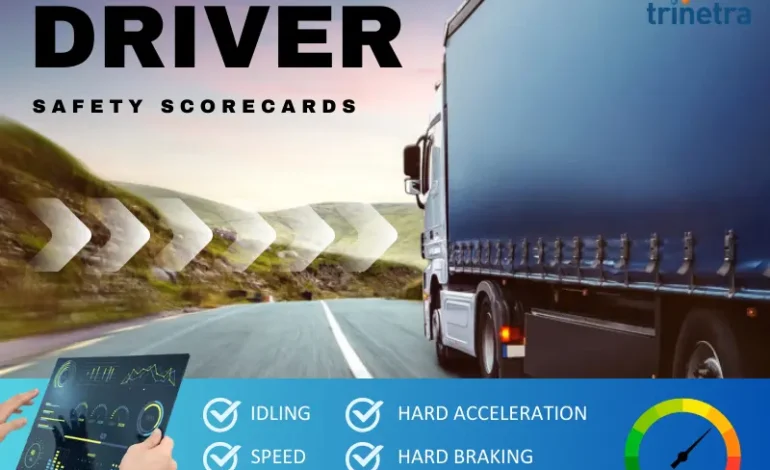
Safety Starts with Data: Safee’s Driver KPIs Saves Lives
When your fleet is responsible for transporting hazardous goods, safety isn’t optional — it’s non-negotiable. At Safee, we take fleet safety beyond basic tracking with an advanced Driver KPI system that delivers intelligent insights, proactive risk detection, and measurable safety improvements tailored to your operational environment. Why Driver KPIs Matter More Than Ever In high-risk transport operations, driver behavior is one of the biggest determinants of safety. Traditional reporting tools often overlook the nuances that matter most. Safee solves this with a dynamic performance engine built around real-time Key Performance Indicators (KPIs). From speeding and harsh braking to distraction alerts and route deviations, every factor contributes to a personalized Driver Safety Score that reflects your specific safety priorities. While this system is essential for hazardous fleets, it brings measurable value to operations across every industry — because safety and accountability apply everywhere. Unmatched Customization with Safee’s Driver KPI Report With Safee, you don’t just track performance — you define it. • Formula Builder Create fully customizable scoring formulas, weighting critical metrics such as overspeeding, fatigue alerts, harsh events, and video-recorded violations according to your operational standards. • Sub-Scores & Correlated Metrics Segment drivers by behaviors like route compliance, vehicle handling, or alert response. Combine these sub-scores into a master safety score for more accurate evaluations and targeted coaching. • Color-Coded Thresholds Red, amber, and green indicators help managers quickly pinpoint top performers, identify emerging risks, and take corrective action before small issues escalate. • Video Service Integration Integrate video-based violations — including fatigue warnings, distraction incidents, and prolonged driving — to strengthen accuracy beyond what GPS data alone can provide. • Field-Specific Metrics Whether your fleet transports oil, chemicals, or industrial materials, tailor KPIs to reflect the safety indicators most relevant to your sector. Safee also tracks events such as restricted-area entries, excessive driving hours, ETA delays, and other compliance-sensitive violations, ensuring you stay aligned with regulatory requirements. This level of customization is unmatched — empowering fleets to prevent incidents rather than respond to them. Transparency, Privacy & Driver Empowerment Through the Safee Driver App, drivers can: This transparency promotes accountability and encourages continuous improvement. At the same time, all KPI data is fully protected and accessible only to authorized administrators, ensuring strict data privacy and fostering trust. Real, Measurable Safety Outcomes Hazardous transport fleets using Safee are already experiencing transformative results: Real-time visual reports empower managers to make informed decisions — from route optimization to targeted safety training. From Reactive to Proactive: The Future of Fleet Safety Safee’s Driver KPI System represents a shift from reactive reporting to predictive fleet management. Instead of simply recording violations, our platform identifies risks early, giving you the power to intervene before incidents occur. In a sector where every trip matters and every second carries risk, Safee delivers complete control through flexible, visual, and actionable driver performance tracking.
Read More
The Success of the iGaming Industry in India
The rapid rise of the iGaming industry has taken the global market by surprise in recent years. Not only are online betting and casino platforms generating record-breaking revenue, but they are also projected to dominate the entire gambling industry by 2025. In 2019 and 2020 alone, global iGaming revenue surpassed $60 billion — nearly one-fifth of the total earnings from all gambling sectors. This figure is expected to exceed $100 billion by 2025, and India is poised to play a major role in that growth. The country has become one of the most attractive and rapidly expanding markets for online betting and gaming platforms. In this article, we explore how Indian players access such sites, what the law actually says, and why this industry continues to grow despite regulatory gaps. How Do Indian Players Access Online Sportsbooks and Casinos? The primary law governing gambling in India is the Public Gambling Act of 1867. While this law prohibits operating gambling facilities within the country, it does not apply to offshore companies. As a result, foreign online sportsbooks and casinos can offer their services to Indian users without legal restrictions. Online sports betting is extremely popular in India, with millions of players placing wagers on cricket, football, kabaddi, and other sports daily. Since no Indian authority issues licenses for online gambling, players must rely on international regulatory bodies. Before registering on a platform, users should verify: If a site does not show a license, it is likely unsafe and should be avoided. Reputable betting and casino platforms catering to Indian players are commonly licensed by: These regulatory bodies ensure security, fairness, and compliance. In some regions, players may need a VPN to access gambling websites. However, since online gambling is not actively regulated or policed in India, users face no penalties for accessing or playing on offshore betting or casino platforms. Understanding the Public Gambling Act of 1867 The Public Gambling Act of 1867 is the primary legislation governing gambling in India. According to this law, most forms of gambling are illegal. Only three states — Goa, Sikkim, and Daman — have legalized land-based casinos. Among these, Sikkim is the only state with limited regulation for online gambling. Despite this, millions of Indians participate in online gambling daily. Why? Because the law is outdated and was written long before the concept of online gaming existed. It contains no specific provisions addressing digital or internet-based gambling activities. This creates a legal grey area: Due to the lack of clear regulation, authorities rarely pursue players or take action against offshore sites. The online gambling sector has grown so rapidly in India that the government is increasingly under pressure to modernize legislation, legalize the market, and introduce structured regulation.
Read More
10 Top Uses of FIBC Bags in Bulk Packaging
In the world of bulk packaging, efficiency, safety, and cost-effectiveness are essential. Flexible Intermediate Bulk Containers (FIBCs)—often known as bulk bags or big bags—have transformed how industries store, handle, and transport large quantities of materials. Designed to carry dry, granular, and powdered products, these highly versatile bags have become a top choice for improving logistics and optimizing storage across multiple sectors. If you’re exploring bulk packaging options, understanding the most common uses of FIBC bags will help you choose solutions that fit your operational needs. Whether you’re in agriculture, construction, chemicals, food processing, or any other high-volume industry, FIBC bags offer unmatched advantages in material handling. Below are the top 10 industrial applications of FIBC bags. 1. Agriculture and Farming FIBC bags are extensively used in the agricultural sector for storing and transporting seeds, grains, fertilizers, and animal feed. Their durability and resistance to moisture keep agricultural products safe during handling and long-term storage. Farmers and distributors rely on bulk bags for efficient loading and unloading using forklifts and cranes. 2. Construction and Building Materials From sand and gravel to cement and stone, the construction industry depends on heavy-duty packaging. FIBC bags provide the strength needed to contain dense materials without tearing. Their ability to withstand rough handling and support heavy loads makes them indispensable on construction sites. They also help maximize warehouse and on-site storage efficiency. 3. Chemical Industry Chemical manufacturers require safe, compliant, and customizable packaging. FIBC bags offer excellent solutions for packaging powdered and granular chemicals such as fertilizers, pigments, and resins. With options for anti-static liners, moisture-resistant coatings, and specialized barriers, these bags protect products from contamination and ensure regulatory compliance. 4. Food Processing and Ingredients Food-grade FIBC bags meet stringent safety standards, making them ideal for handling bulk food ingredients such as sugar, flour, salt, starch, and grains. Designed to preserve hygiene and prevent contamination, these bags help manufacturers transport and store large volumes of food materials efficiently and safely. 5. Mining and Minerals Mining operations often involve transporting heavy, abrasive, and irregular materials. FIBC bags are commonly used for packaging ores, minerals, and coal due to their exceptional strength. Their reusability also supports sustainability goals within the mining sector. 6. Pharmaceutical Industry The pharmaceutical industry requires packaging that maintains purity and protects raw materials from contamination. FIBC bags customized for pharmaceutical use often include liners and high-barrier materials to prevent moisture and preserve product quality. They help manufacturers meet strict safety and compliance standards. 7. Waste Management and Recycling For waste collection, industrial scrap, and recyclables, FIBC bags provide a highly efficient containment solution. Their large capacity and sturdy design simplify waste handling and transportation. In recycling operations, these bags are used to sort and transfer materials such as plastics, metal scrap, and paper, supporting sustainability initiatives. 8. Pet Food and Animal Nutrition Pet food producers use FIBC bags to transport large quantities of dry food, kibble, and ingredients. The bags ensure freshness, cleanliness, and protection from external contaminants. Their strength and ease of handling streamline distribution from manufacturing plants to retailers. 9. Industrial Raw Materials Manufacturers in various industries use FIBC bags to package resins, powders, polymers, and other raw materials essential to production processes. Reliable containment, cost-effectiveness, and improved supply chain efficiency make FIBC bags a preferred choice for handling high-volume industrial goods. 10. Emergency Relief and Humanitarian Aid In disaster relief operations, transporting food, medical supplies, and essential materials quickly is crucial. FIBC bags are widely used in humanitarian logistics due to their strength, portability, and ability to hold large quantities safely. Their durability ensures that sensitive supplies reach affected areas intact. Why Choose FIBC Bags? FIBC bags offer multiple benefits that make them the leading bulk packaging choice: How to Select the Right FIBC Bag When choosing an FIBC bag, consider: Conclusion FIBC bags have redefined bulk packaging with their practicality, strength, and cost-effectiveness. From agriculture and construction to pharmaceuticals and emergency aid, their wide range of applications highlights their versatility and reliability. By understanding the top uses and benefits of FIBC bags, businesses can improve logistics, protect product quality, and streamline operations. For the best results, partnering with a trusted FIBC bags manufacturer ensures you receive high-quality, compliant, and customized solutions tailored to your industry.
Read More
Shop the Best Office Tables in Manila – Perfect Blend of Style
A workplace table is more than just a piece of furniture—it’s a core element that shapes comfort, productivity, and the overall aesthetic of any work environment. With the fast-paced growth of businesses in the Philippines, many companies are now investing in high-quality office tables to build efficient, professional, and visually appealing workspaces. The rising demand for stylish yet functional designs has transformed the market for office tables in the Philippines, offering options that meet both practical needs and modern taste. Blending Style with Functionality Today’s businesses recognize the importance of office tables that balance beauty and practicality. Modern collections feature sleek surfaces, ergonomic designs, and durable materials. From executive desks to multi-person workstations, companies can choose pieces that reflect their brand identity. The office furniture market in the Philippines provides a wide variety of styles—whether you prefer a minimalist contemporary look or a timeless, classic design. This diversity ensures that every business can find a table that fits their space and enhances workplace performance. Durable Materials for Long-Term Use A well-built office table is a long-term investment. High-quality wood, engineered boards, and laminate finishes are popular choices in the Philippines for their strength and refined appearance. Many office furniture suppliers in the Philippines also offer tables with scratch-resistant and water-resistant surfaces—ideal for busy and high-traffic workplaces. Durability is especially important for businesses that want furniture that lasts without the need for constant replacements. Ergonomic Designs for Comfort and Health Forward-thinking companies prioritize employee comfort. Ergonomically designed office tables help reduce strain, improve posture, and increase productivity. Adjustable-height desks are becoming more common in the office furniture Philippines market, allowing employees to switch between sitting and standing throughout the day. Spacious table designs also provide enough room for laptops, monitors, documents, and other essentials, helping maintain a clean and efficient workspace. Customizable Solutions for Every Workspace One of the biggest advantages of purchasing office tables in the Philippines is the availability of customization. Businesses can order tables in specific sizes, shapes, and finishes to perfectly match their office layout. Modular designs are also gaining popularity, offering flexibility for growing teams or evolving projects. This adaptability is especially valuable in industries where workflow and space needs change quickly. Sustainable Office Furniture Options Sustainability is becoming a priority for many companies in the Philippines. Eco-friendly office tables made from responsibly sourced wood or recycled materials offer a perfect blend of durability and environmental responsibility. These sustainable options support corporate social responsibility goals and appeal to employees and clients who value green practices. Choosing eco-conscious furniture helps organizations maintain a positive brand image while contributing to a healthier planet. Where to Buy Quality Office Tables in the Philippines The Philippines offers a wide range of suppliers—both online and in physical stores—providing various styles, materials, and price ranges. Many office furniture retailers in the Philippines offer extensive catalogs to suit different budgets and design preferences. Buyers can compare features, prices, and finishes to find the perfect match for their workplace needs. Some suppliers even provide delivery and assembly services, making the purchasing process quick and hassle-free. Conclusion Choosing the right office table is essential for building a productive, professional, and visually appealing workspace. Whether a business prefers modern minimalism, classic elegance, or flexible modular setups, the market for office tables in the Philippines offers countless options. By prioritizing quality, functionality, and design, companies can create work environments that inspire employees and impress clients. With so many available choices in today’s office furniture market, every workplace can find the ideal table that meets both aesthetic and practical needs.
Read More
The Upskilling Edge: Coding for Career Growth
In today’s rapidly evolving job market, professionals across every industry must continuously adapt and expand their skill sets. One of the most powerful ways to stay relevant and competitive is by learning to code. Coding is no longer a niche skill limited to software engineers—it has become a core competency that empowers professionals to automate tasks, analyze data, and create innovative solutions. Whether you want to enhance your current role or pivot into a tech-focused career, learning to code can unlock significant opportunities.This blog explores why coding is one of the most valuable upskilling choices today, how it accelerates professional growth, and the learning paths that can help you gain a competitive edge. Introduction: Why a Coding Bootcamp Is the Modern Career Accelerator Across every industry, employers now expect a blend of domain expertise and technical competency. Coding stands at the top of those expectations because it enables employees to solve problems, streamline processes, and contribute to innovation. Coding bootcamps have emerged as one of the fastest, most effective ways to gain these skills. Unlike traditional degree programs that emphasize theory, bootcamps focus on practical, job-ready learning. Students work on real-world projects, simulations, and hands-on problem-solving to apply what they learn immediately. Bootcamps dramatically shorten the learning curve and equip learners—whether fresh graduates or experienced professionals—with the skills needed for roles such as software developer, data analyst, automation specialist, or product manager. Why Coding Matters for Career Growth 1. A Universal Skill Across Industries While coding is central in tech, it has applications in healthcare, finance, marketing, manufacturing, logistics, and more. For example: This makes coding a versatile skill that enhances roles far beyond traditional tech jobs. 2. Turning Ideas Into Real Solutions Employees who can code can prototype ideas, test solutions, and optimize processes without waiting on technical teams. This accelerates innovation, improves decision-making, and positions you as a proactive problem-solver within your organization. 3. Higher Earning Potential When you combine domain expertise with technical proficiency, you position yourself for higher-paying roles. Coding often becomes the differentiator that leads to promotions, leadership opportunities, and specialized positions. Key Benefits of Upskilling in Coding Choosing the Right Path to Learn Coding 1. Self-Learning Online tutorials—both free and paid—allow you to learn at your own pace. However, this route requires discipline and strong self-motivation. 2. University Degree Programs Degrees offer deep theoretical knowledge but require significant time and financial investment. They may not be ideal for those seeking quick, practical skills. 3. Intensive Bootcamps Bootcamps strike the perfect balance between speed, practicality, and employability. Their curriculum is designed around real industry demands, making them ideal for career-focused learners. How to Maximize Career Growth Through Coding Real-World Impact of Coding Skills Conclusion: Choose the Right Learning Platform Coding has become a mainstream, essential skill for career advancement in today’s digital-first world. Whether you’re a beginner, mid-career professional, or entrepreneur, learning to code opens doors to new possibilities. Coding bootcamps—such as a coding bootcamp in Pittsburgh—offer the ideal combination of speed, relevance, and hands-on practice for anyone aiming to enter or advance in the tech industry. By integrating coding into your professional development, you don’t just keep pace with change—you lead it. In a world that values adaptability and innovation, coding is one of the most powerful tools you can acquire to succeed in the digital economy.
Read More
Office Hours in the Metaverse: Creating Avatar-Based Thought Leadership
You once had to show up live to share your ideas. Now, your digital twin can do it for you. Welcome to an era where you don’t always need to rely on your physical presence to express your insights, lessons, and perspectives. Your AI avatar can host the show—whether you’re a life coach sharing Monday motivation, a marketer decoding trends, or an educator simplifying complex topics. It’s smarter, more scalable, and surprisingly effortless. Tools like Pippit make it excitingly simple to build a strong thought-leadership presence through a lifelike avatar. Your audience still receives your ideas and personality—just through a fresh medium. With a script, a custom avatar setup, and a link to share, you can deliver weekly insights, tutorials, or takeaways in a format that’s always consistent and always available. So let’s uncover why avatar-based office hours are taking off—and how you can lead this new wave of content creation. Thought Leadership Goes Virtual In a world overflowing with content, audiences don’t just want expertise—they want style. They expect consistency, yes, but also creativity that grabs attention. Video remains the strongest format for that. And avatar-led video now lets you show up regularly without turning on your camera every single time. This isn’t about losing your authentic voice. In fact, your avatar helps make your communication more polished, more consistent, and even multilingual if you need it. Whether you’re building a knowledge library, sharing updates, or answering your community’s questions, avatars help you publish content quickly and professionally. Who Can Use Avatar-Based Content? Almost anyone with a message to share. But avatars especially shine in fields where trust, clarity, and frequent communication are key: They’re also great for hybrid teams and solo creators who want polished videos without spending hours on lighting, retakes, or editing. Why Avatars Outperform Static Content Sure, you could post a quote card or a text caption. But avatar videos build a stronger presence and deeper connection. Here’s why they work so well: With photo-to-video AI, you can even animate a still image into a dynamic, expressive video host—consistent, creative, and uniquely yours. Lights, Camera… Clone Me? Your Avatar Workflow in 3 Steps Your avatar becomes part of your brand identity—distinct, recognizable, and memorable. Before producing content, refine how your avatar looks, speaks, and moves. Treat it as your digital signature. Create and Share Avatar Videos with Pippit Here’s how to start producing professional avatar-based videos: Step 1: Choose Your AI Avatar Log in to Pippit and open the Video Generator from the left menu.Click Avatars under Trending Tools to browse a range of options—categorized by gender, age, style, and environment. Some allow you to upload your own media or use product links for even more flexibility. Once you’ve selected an avatar, open the Settings tab to adjust facial features, tone, gestures, and more. You don’t need to finalize everything upfront—Pippit lets you refine your avatar even after the video renders.
Read More
Unlock Success in 2025: Ace the OMVIC Certification Exam with Confidence, Knowledge, and Smarter Prep
If you’re planning to build a career in Ontario’s automotive sales industry, you’ve likely encountered the term OMVIC. The Ontario Motor Vehicle Industry Council (OMVIC) is the province’s regulatory authority responsible for maintaining fairness, transparency, and ethical standards in vehicle sales. And for most aspiring professionals, preparing with an OMVIC practice test becomes an important part of their journey. What Is OMVIC and Why Is It Important? OMVIC is the organization that administers and enforces the Motor Vehicle Dealers Act (MVDA), ensuring that dealerships, salespeople, and industry participants operate with professionalism and integrity. OMVIC’s Key Responsibilities Include: In simple terms, OMVIC ensures that Ontario’s automotive marketplace functions in a transparent and trustworthy way. Why the OMVIC Certification Exam Matters The OMVIC Certification Exam is more than a requirement—it’s the foundation of your professional credibility in automotive sales. Benefits of Becoming Certified: Passing the exam signals that you’re prepared to work professionally and ethically in the industry. How an OMVIC Practice Test Helps Although this article does not provide sample questions, it’s important to understand the value of using a practice test as part of your study routine. Why Practice Tests Are Useful: A practice test is an excellent supplement—but it should complement a thorough review of the ACC (Automotive Certification Course) material, not replace it. Smart Study Strategies for the OMVIC Exam Here are effective methods to help you prepare confidently: ✔ Create a Study Plan Break down each subject area and set realistic weekly goals. ✔ Use Real Examples Apply the rules to real-life scenarios—like handling disclosures for used vehicles. ✔ Teach Someone Else Explaining concepts aloud is one of the best ways to solidify understanding. ✔ Stay Consistent Study a little each day rather than cramming before the exam. ✔ Look After Your Well-Being A rested mind retains far more information than an exhausted one. For additional support, I’ve also created a video guide with practical prep tips and structured study strategies. Life After Passing the OMVIC Exam Once you pass the exam, you become a registered salesperson in Ontario—a professional status that comes with important responsibilities and valuable benefits. Your Responsibilities Include: Your Benefits Include: Building Long-Term Success in Automotive Sales The OMVIC exam is just the beginning. Your long-term success depends on ongoing learning and consistent professionalism. The exam prepares you for compliance—your commitment and professionalism shape your career. Final Thoughts OMVIC plays a crucial role in maintaining fairness and consumer protection within Ontario’s automotive sales industry. Passing the OMVIC Certification Exam is a key step for anyone looking to enter this field. While many candidates rely on an OMVIC practice test during their preparation, true success comes from understanding the material deeply, building confidence, and studying smart. With the right approach, you can pass the exam and begin your career with clarity and confidence.
Read More
3 Leadership Blind Spots That Sink Even Great Companies
Every day, CEOs shoulder the responsibility of safeguarding their companies—an obligation far greater than hitting quarterly numbers or chasing market dominance. Their decisions can strengthen the organization’s resilience or accelerate its decline. History repeatedly proves that even industry leaders can collapse when executives make preventable mistakes. Markets reward boldness, yes—but they punish arrogance, blind optimism, and poor judgment even faster.This article explores three critical leadership mistakes that have contributed to the downfall of many once-thriving companies. Let’s take a closer look. 1. Failing to Manage Risk and Prevent Scandals Corporate scandals seem constant—and they often cost companies millions in legal fees, settlements, and long-term reputational damage. The Sterigenics controversy involving Sotera Health is a clear example. Sterigenics, responsible for sterilizing medical devices, used ethylene oxide (EtO), a chemical long linked to serious health risks. According to TorHoerman Law, the company was aware of these dangers but continued using the substance. Now, lawsuits are piling up, including a case being heard in Atlanta, GA, from an individual exposed to EtO. How do failures like this slip past leadership? When CEOs neglect risk management, the consequences extend far beyond their own company. Research from China on corporate environmental and social scandals illustrates this vividly: While some executives may see this as an advantage, the reality is the opposite. Industries operate on interconnected trust, and a scandal in one company can poison the environment for many. Modern CEOs cannot rely on reactive PR statements or crisis task forces assembled too late. Risk mitigation must be built into the company culture—starting on day one. 2. Over-Leveraging and Ignoring Structural Warning Signs Boom times often conceal structural vulnerabilities. Lehman Brothers’ collapse remains the most famous example of how perceived success can encourage reckless decisions. Between 2005 and 2007, Lehman posted record earnings and securitized $146 billion in mortgages in 2006 alone. Yet the housing market was already showing signs of instability. Lehman still held an $85 billion mortgage-backed portfolio—four times its shareholder equity—and pushed ahead under the assumption that risk was contained. Their leverage ratio eventually hit 31:1, meaning even a tiny market shock could be catastrophic. And it was. But this wasn’t an accident; it was leadership choosing optimism over evidence. This mindset persists today. Many businesses take on debt not because it’s strategic, but because they expect future growth to justify it. Harj Taggar of Y Combinator explains it plainly: business debt is only “good” when tied to a clear plan that outlines why the debt is necessary and how it will be repaid. The lesson is simple:Leverage multiplies success in good times—but it multiplies fragility even faster when conditions shift. Smart CEOs plan for downturns long before they appear. 3. Poor Succession Planning Even strong companies stumble when leadership changes are mishandled. Investors treat executive turnover as a moment of vulnerability, and their reactions can be unforgiving. Research shows that when a high-performing CEO resigns, stock prices typically fall due to uncertainty. But when companies disclose detailed succession plans in their proxy statements ahead of time, the drop is significantly smaller. The takeaway is clear: succession planning is a communication strategy as much as a governance strategy. Unfortunately, many executives view it as a future problem rather than an ongoing priority. Naming an heir-apparent is not enough. Strong succession planning requires: A company without a succession roadmap sends a subtle but damaging message: we haven’t planned for the future. And the market responds accordingly. Frequently Asked Questions What’s the #1 reason CEOs are fired? Poor performance. When profits slip or growth slows, boards move quickly. Scandals or personality conflicts matter, but failing to deliver financially is the fastest route to replacement. Can a CEO ruin a company? Yes. A CEO shapes culture, strategy, and risk appetite. Poor judgment—especially during crises—can destroy even a strong company. What does it mean when a business is overleveraged? An overleveraged company has taken on more debt than it can safely manage. Debt can help fuel growth, but too much makes even minor downturns dangerous, eroding flexibility and increasing financial pressure. Final Thoughts Executives love to talk about innovation, bold strategy, and disruption. But in reality, companies often fail for much simpler, more avoidable reasons—unchecked risk, excessive leverage, and weak succession planning. The good news is that none of these require genius to fix. They require discipline, vigilance, and humility. The leaders who endure are not the ones who avoid risk entirely—they’re the ones who build guardrails long before the danger becomes visible.
Read MoreCategories